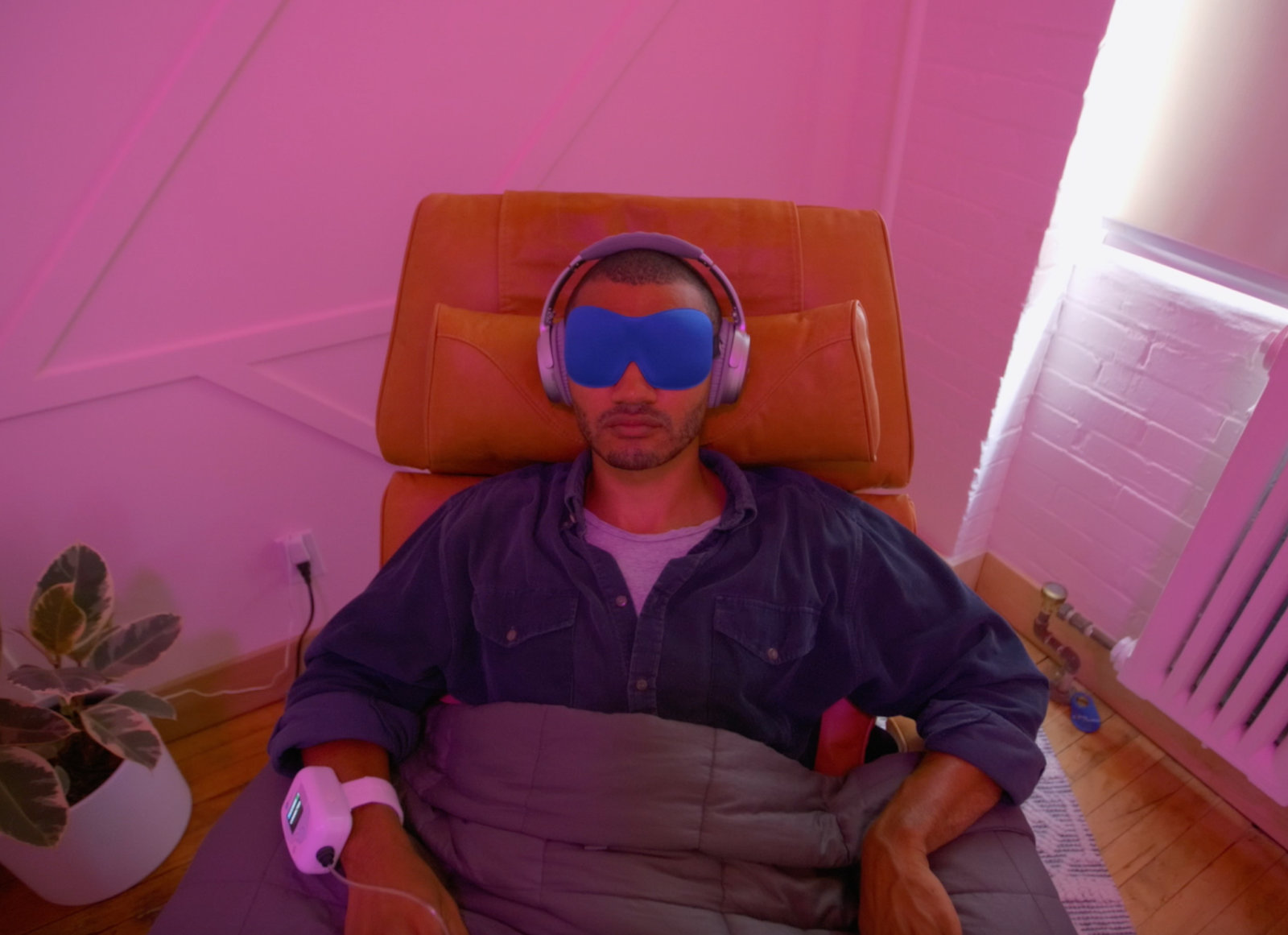
Many people explore additional mental-health options when previous approaches have not met their needs. We provide clinician-supervised programs that may include psychedelic-assisted therapy when appropriate.
Our in-person psychedelic-assisted therapy (PAT) program combines medical oversight with structured psychotherapy. It may be considered for adults who have previously tried therapy or medication without the level of improvement they hoped for.
PAT aims to create conditions that may help clients explore emotional patterns or traumatic experiences with trained clinicians present. Approaches and experiences vary, and suitability depends on a formal clinical assessment.
Our psychotherapy services integrate modern therapeutic approaches with wellness tools to support mental, emotional, and physical well-being. These sessions do not involve psychedelics but may complement other programs offered at Field Trip Health.
For some people living with chronic pain, low dose psychedelics may be considered under specialist supervision as part of a broader management plan. Research has explored how psychedelic therapy affects pain-signaling and emotional processing, though responses vary and it is not suitable for everyone. Any consideration of psychedelics occurs only after a careful medical assessment and is paired with appropriate therapeutic support.
Psychedelic-assisted psychotherapy may be considered for adults with ongoing symptoms related to depression, PTSD, or anxiety when conventional approaches have not provided the desired level of relief. Individual experiences differ widely. Our team reviews potential benefits, risks, and alternatives before recommending any program.
Certain psychedelic or psychedelic-adjacent medications may be used in Canada within medically supervised settings, depending on their regulatory status and the individual’s clinical assessment.
Examples include:
Ketamine, a prescription medication with approved medical uses in Canada. In some circumstances, clinicians may consider its use within a structured therapeutic program after reviewing a person’s medical history, risks, and alternatives.
Psilocybin, which is not authorized for general medical use but may be accessed in rare circumstances through research protocols.
MDMA, which is currently limited to clinical trials and research studies in Canada.
These substances are not suitable for everyone, and any consideration of their use occurs only within a comprehensive, clinician-led evaluation that includes risks, limitations, and other treatment pathways.
Psychedelic-assisted therapy may be considered in limited circumstances for adults experiencing concerns related to mood, trauma, anxiety, or chronic pain. Whether this type of care is appropriate depends entirely on a clinician-led assessment that reviews medical history, risks, alternatives, and individualized goals.
Not everyone is a candidate, and other treatment pathways may be recommended instead.
Decisions about whether a psychedelic or psychedelic-adjacent medication — including ketamine — may be considered occur only within a clinician-led medical assessment. During this evaluation, a prescribing clinician reviews a person’s mental-health history, medical conditions, concurrent medications, and potential risks or contraindications.
Many individuals are not candidates for the therapeutic use of ketamine or other psychedelics. Factors such as pregnancy, unstable cardiovascular conditions, or a history of psychosis may influence whether a medication is appropriate, and alternative care pathways may be recommended.
Any consideration of these medications happens only after a comprehensive assessment of risks, benefits, and other options.
Safety depends on the individual, the specific medication involved, and a thorough medical assessment completed in advance. In Canada, certain psychedelic or psychedelic-adjacent medications — such as ketamine — may be considered within clinician-supervised programs when medically appropriate.
When these medications are used, care is provided in a controlled environment by trained professionals who monitor vital signs, dosing, and psychological responses throughout the session. Not everyone is a suitable candidate, and risks, alternatives, and contraindications are reviewed with each person before any decision is made.
Responses vary widely. Some individuals notice shifts in their emotional or psychological experience over the course of a clinician-supervised program, while others may not.
Expectations, risks, and alternative approaches are discussed with each person before any therapeutic plan is recommended.
Getting started begins with a discovery call, where our team learns about your needs and provides information about our programs. If you decide to continue, the next step is a medical consultation with a prescribing clinician.
During this consultation, the clinician completes a detailed assessment to determine whether psychedelic-assisted therapy may be appropriate, or whether another approach is recommended.
You can book online or contact us directly to learn more about the assessment process and available services.
Field Trip Health operates clinics in several Canadian cities, including Toronto, Vancouver, Ottawa, Montreal, Hamilton, Kitchener–Waterloo, Thunder Bay, and Sault Ste. Marie. We also offer a separate at-home program in certain provinces, depending on clinical eligibility and regional availability.
Field Trip Health provides clinician-supervised mental-health programs that combine structured psychotherapy with evidence-informed practices. Care is delivered in a controlled clinical environment, with clear procedures, professional oversight, and an emphasis on safety, preparation, and integration.
Each person’s experience and needs are different, so clinicians review options, risks, and alternatives as part of every assessment.
Public health insurance plans in Canada generally do not cover psychedelic-assisted therapy. Some private insurance plans may provide partial reimbursement for components of care, depending on the plan’s structure and the clinicians involved.
In many cases, a portion of the psychotherapeutic work — often around 40% of the overall program cost — may be eligible under extended benefits for psychotherapy or counselling, depending on the provider and plan.
Some plans also include nursing benefits, which may apply to certain medically supervised components, but this varies widely.
Coverage depends entirely on the details of your individual policy. It is best to review your plan or contact your insurance provider directly to confirm what may be included.